Description
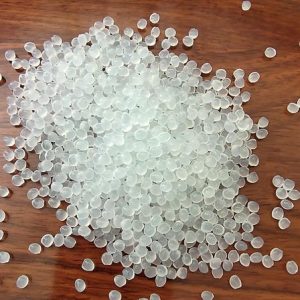
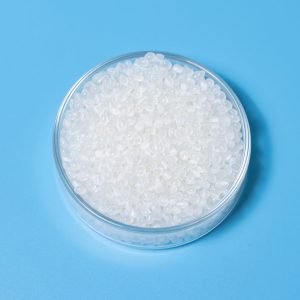
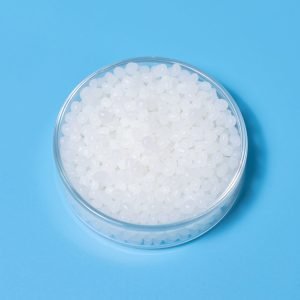
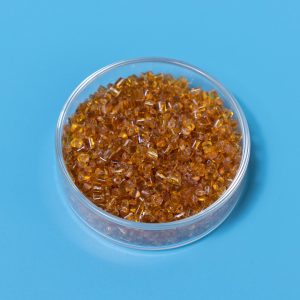
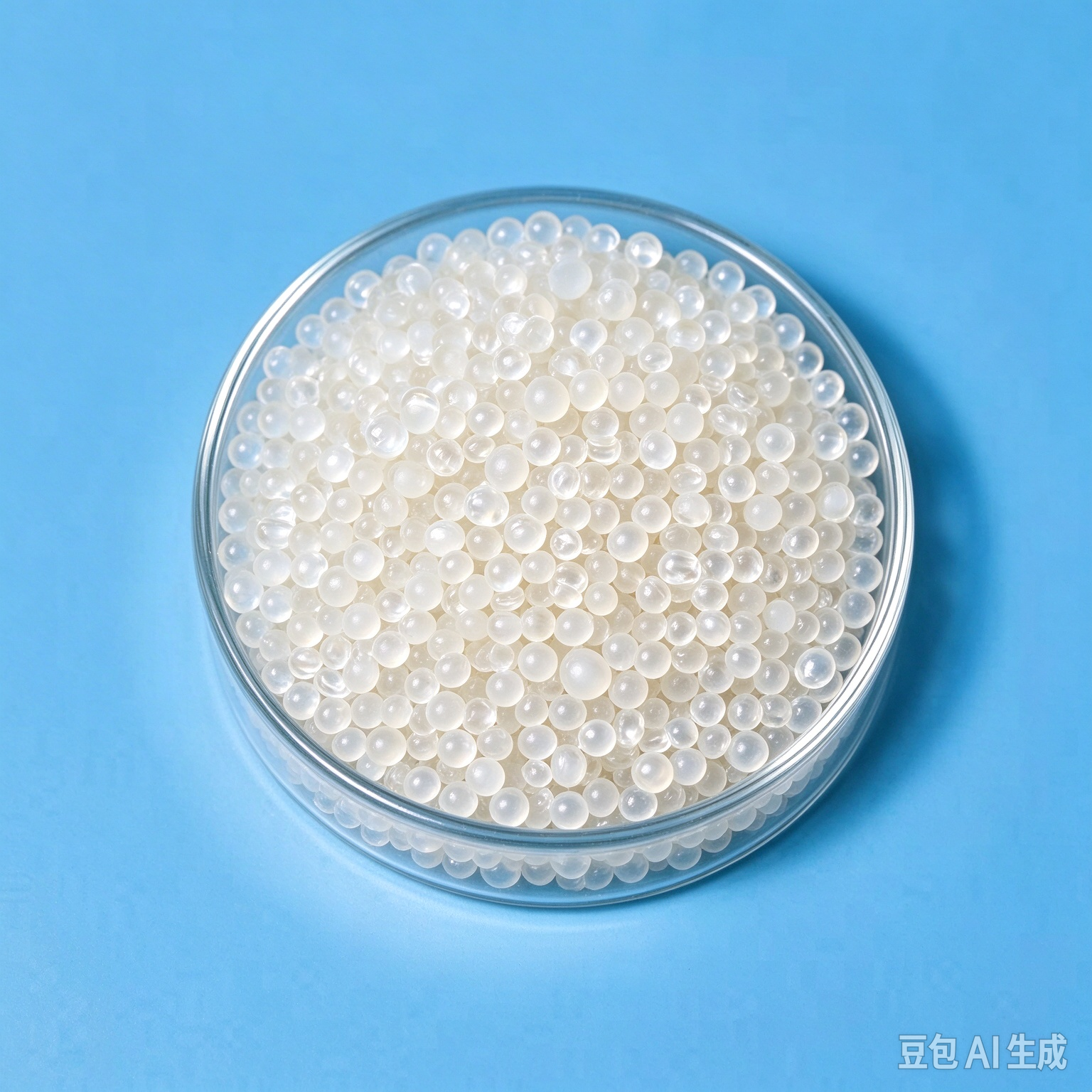
POE-g-GMA is a high-performance reactive elastomeric modifier based on polyolefin elastomer (POE) grafted with glycidyl methacrylate (GMA). During melt compounding, the reactive epoxy groups on GMA readily react with terminal carboxyl and hydroxyl groups of polyesters including PBT, PET, PLA and PBAT. An in-situ copolymer is formed at the phase boundary, creating stable chemical anchoring between rubber domains and the polyester matrix.
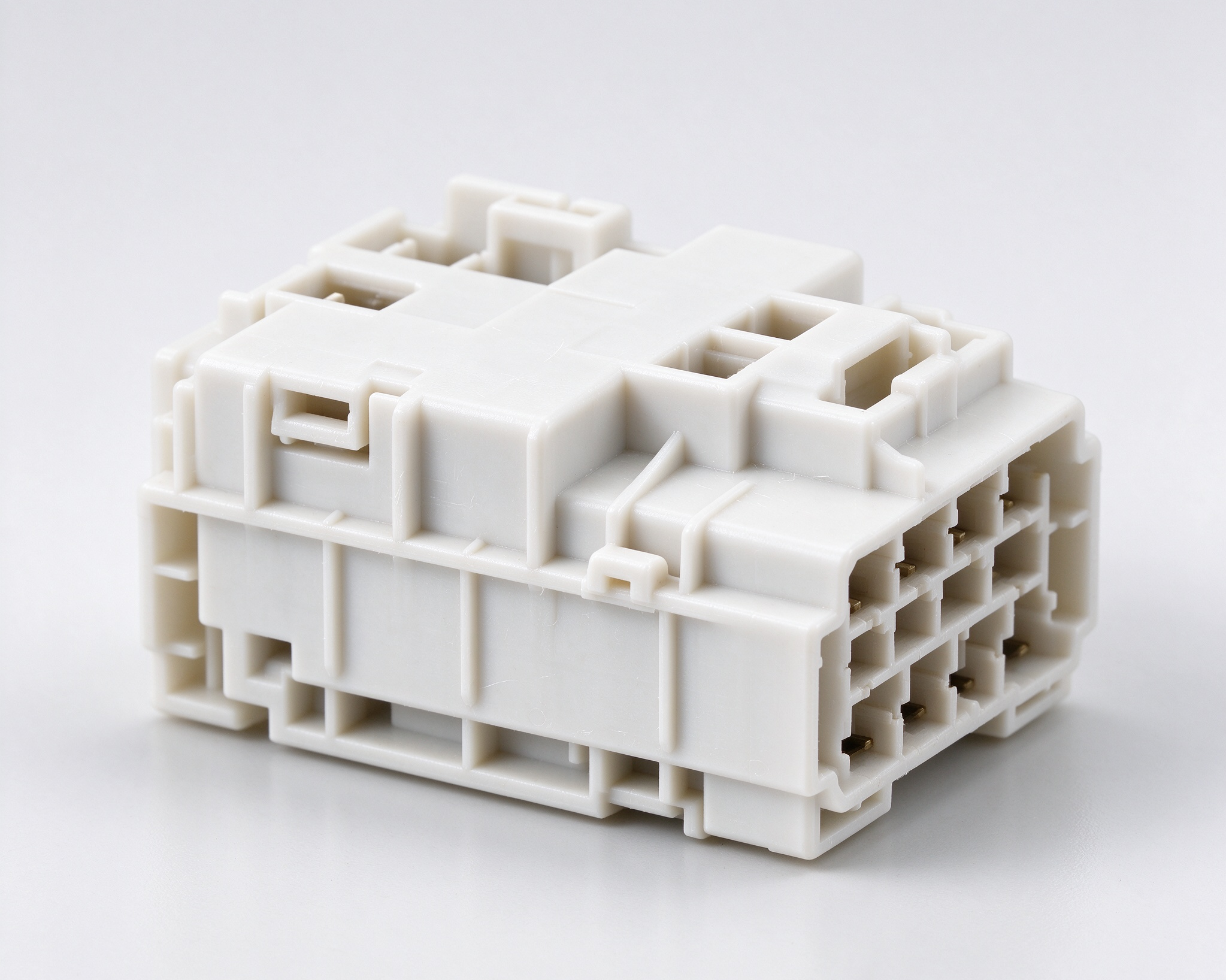
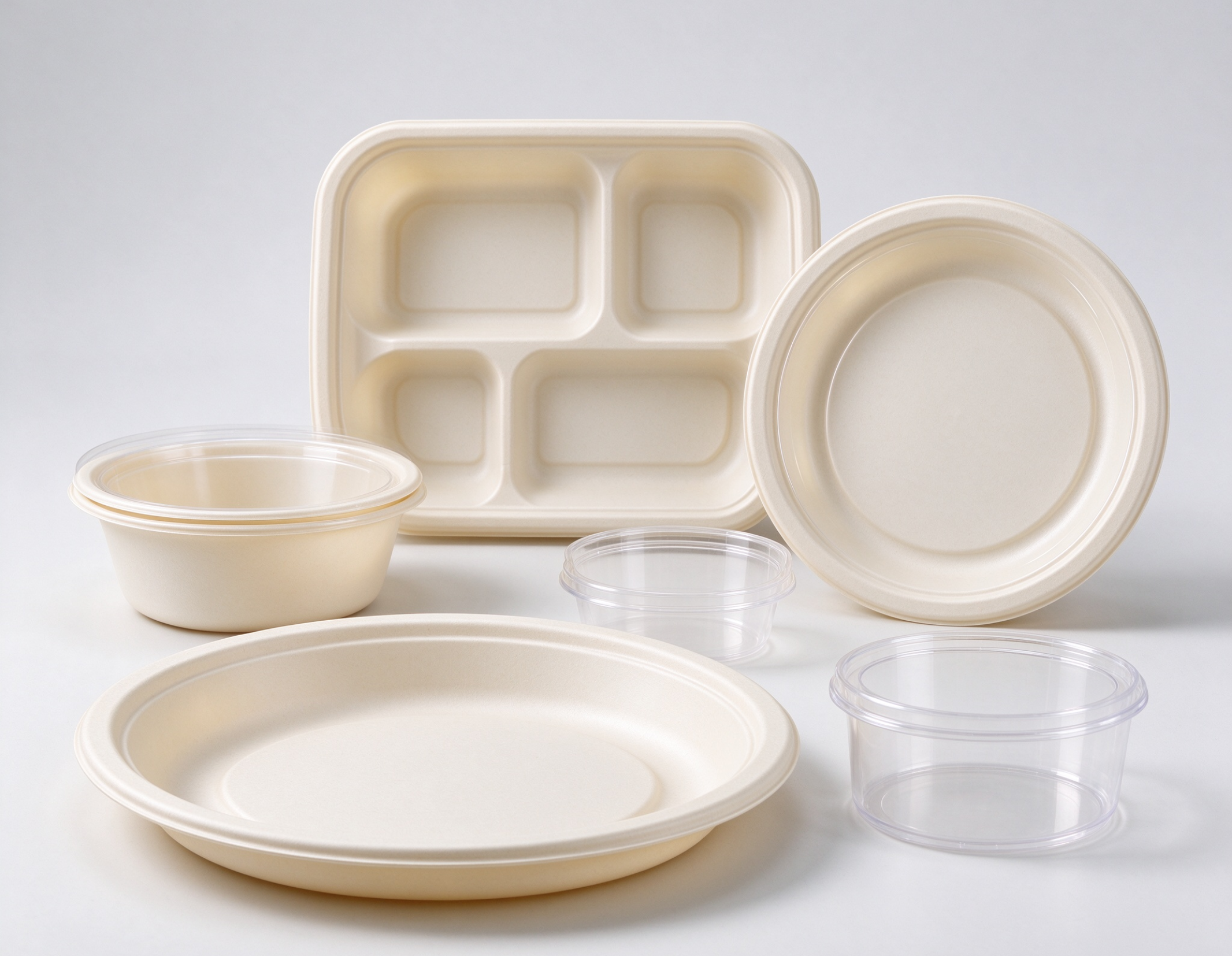
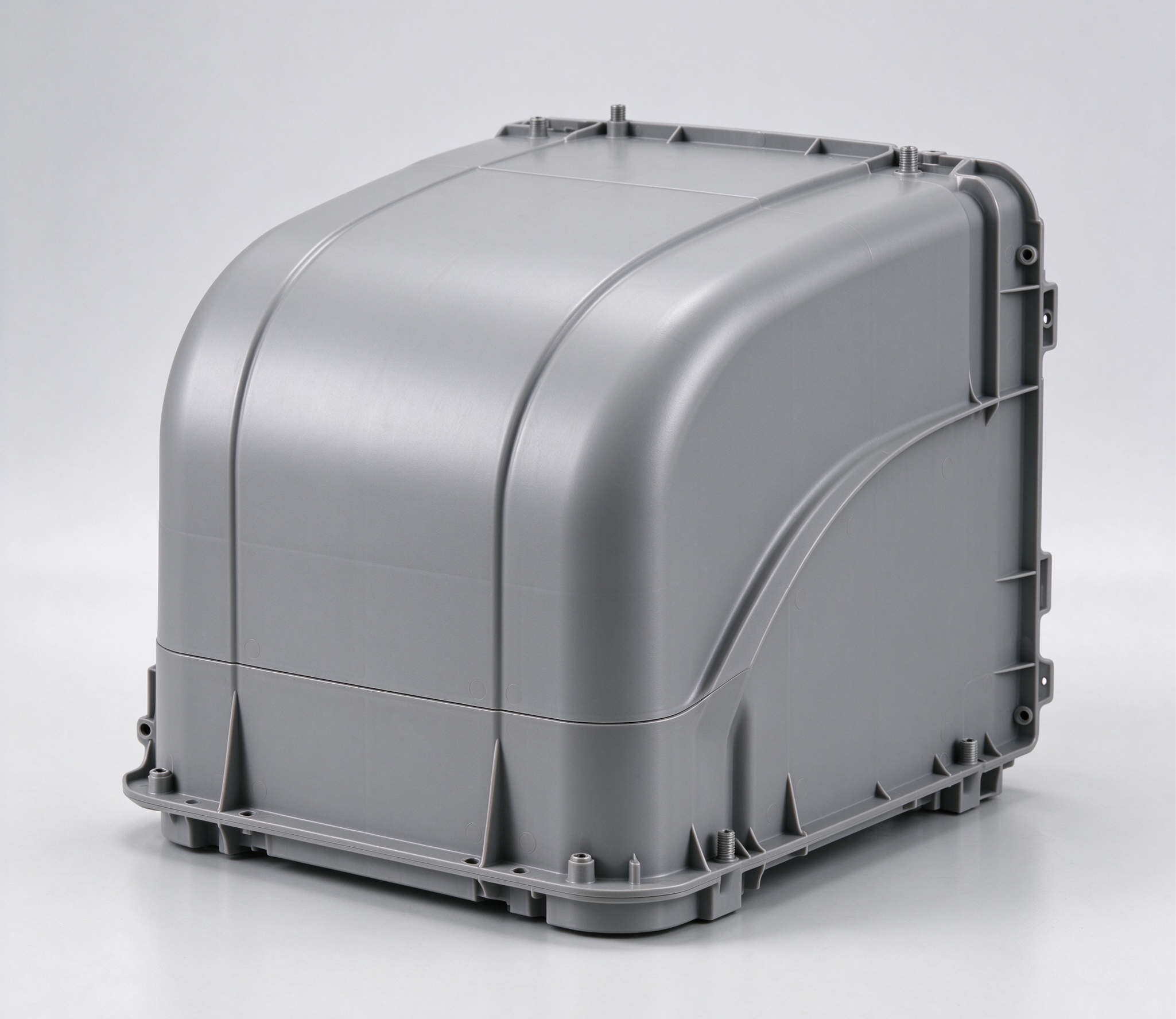
Unlike MAH-grafted modifiers, POE-g-GMA features low odor and excellent hydrolysis resistance. It is widely used for glass-fiber reinforced, mineral-filled and halogen-free flame-retardant polyester compounds, PC/PBT, PC/PET alloys, as well as biodegradable polyester formulations.
Advantages
- Epoxy groups react chemically with carboxyl & hydroxyl terminals of polyesters (PBT, PET, PLA, PC), forming covalent bonds to achieve strong interfacial adhesion.
- Greatly suppresses floating fiber defects for glass-fiber reinforced polyester composites, improving surface finish of molded parts.
- Enhances compatibility between resin matrix and mineral/natural fillers, enabling uniform filler distribution and better mechanical retention.
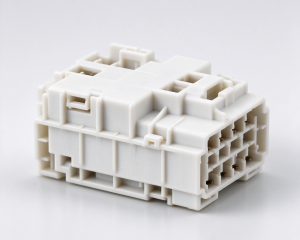 | 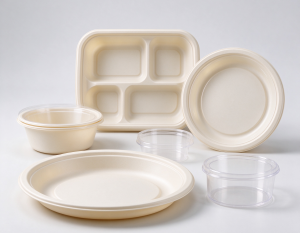 | 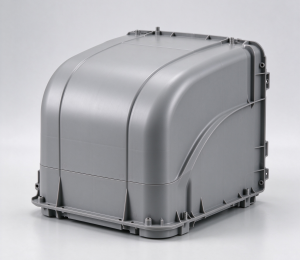 |
Typical Physical Properties
| Property | Test Method | Unit | KT-35 | KT-35G | KT-35G01 | KT-3505 | KT-3506 | KT-3502 |
| Base resin | — | — | POE | POE | POE | POE | POE | POE |
| Functional group content (GMA wt%) | Company standard | wt% | High | Medium | High | Medium | Medium | Low |
| Melt flow rate (190°C/2.16kg) | ISO 1133 | g/10min | 3.5–5.5 | 1.0–3.0 | 0.5–2.5 | 0.5–2.0 | 2.0–5.0 | 2.5–3.5 |
| Density | ISO 1183 | g/cm³ | 0.87–0.89 | 0.87–0.89 | 0.86–0.88 | 0.88–0.90 | 0.87–0.89 | 0.88–0.90 |
Recommended dosage:3%–10%.
POE-g-GMA VS POE-g-MAH
- POE-g-GMA: Epoxy functionality, ideal for polyesters (PBT / PET / PLA), better hydrolysis resistance, low odor. Not suitable for TPE-to-nylon overmolding.
- POE-g-MAH: Maleic anhydride functionality, mainly for PA toughening and TPE overmolding onto nylon. Vulnerable to hydrolysis, relatively higher odor.